
How did the plan for sending Iranian workforce to foreign countries work in the three first months of the new year?
In the first three months [of the new Iranian year, 1389 began on March 21] we dispatched of workforce only to Australia and Canada. Almost 400 volunteers went to these countries, however last year we sent 500 people which shows a plunge compared to 2008. Although based on the Fourth Development Plan more than 100,000 individuals were supposed to work overseas, according to the figures provided by the Ministry of Labor and Social Affairs, simply 5 percent of the total number of volunteers could succeed through this way.
What plans are currently underway?
At the moment we have no contract with foreign countries, we had already signed agreements with a number of states including Qatar, but they didn't become operative since the necessary processes were not followed. Now the Iranian workforce is dispatched abroad by the private companies.
In which fields the professionals are mostly required by foreign employers?
The foreign employers are mostly seeking qualified medical and engineering graduates, among them the Australian and Canadian ones are generally interested in technical and engineering professionals.
Do you think that the number of those who have immigrated are more than the 400 individuals who were sent abroad in the first three months of the new year?
Yes, we have provided figures showing that 80 to 100 immigration companies are now operational in Tehran, Isfahan, Shiraz, Mashad and Tabriz. Actually our main obstacle is the actions taken by such companies which are sending the individuals usually to Canada.
Why Canada?
Because Canadian government has announced that the professionals and skilled workers of 38 qualifying occupations can apply for the immigration visa and numerous volunteers are interested in the Canadian immigration program. I'm one of the critics of sending our professionals and investors to such a country which has proclaimed its enmity with the Islamic Republic of Iran by saying that more sanctions should be imposed on our country. But unauthorized immigration companies are sending our humane and financial capitals to Canada.
Has any plan been thought to limit the works of these unauthorized immigration companies?
We have requested the Ministry of Interior to raise the issue in the supreme Council of National Security and pass a law to control the activities of such unofficial firms.
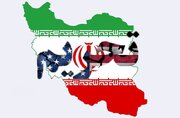
As in the first three months of the new year the Iranian workforce has been simply sent to Australia and Canada, regarding a new wave of sanctions imposed on Iran and the tendency of both countries to join in the forth rounds of sanctions, do you believe that the process of Iranian professionals' immigration to the two countries will change?
I think such sanctions would have an impact on the relations between the governments, but it's unlikely to effect the private sector. As a matter of fact the process of immigration to a foreign country and finding a job there is mostly in the hands of private sector.
So the private sectors of the countries which welcome the immigrants are ready to cooperate with the Iranian private companies.
Do you mean that the sanctions are unlikely to influence the immigration of Iranian workforce to overseas?
Generally the sanctions would possibly have a minor impact on the process but the influence of international economy and market is much higher than them.
* According to the figures provided by the International Monetary Fund, Iran has the highest rate of brain drain among 61 developing and less developed countries it measured. Based on the same information more than 150,000 educated Iranians leave their home country in the hope of finding a better life and 25 percent of all Iranians with post-secondary education now live abroad in developed countries.







نظر شما